
A recent study in the Netherlands, a country known for it’s fantastic maternal and infant outcomes, has proven that home birth is safe. It is the largest study of it’s kind and found that low-risk women planning to give birth at home had as good outcomes as low-risk women birthing in the hospital.
Home births ‘as safe as hospital’
|
There have been few comprehensive studies into home births
|

The largest study of its kind has found that for low-risk women, giving birth at home is as safe as doing so in hospital with a midwife.
Research from the Netherlands – which has a high rate of home births – found no difference in death rates of either mothers or babies in 530,000 births.
Home births have long been debated amid concerns about their safety.
UK obstetricians welcomed the study – published in the journal BJOG – but said it may not apply universally.
The number of mothers giving birth at home in the UK has been rising since it dipped to a low in 1988. Of all births in England and Wales in 2006, 2.7% took place at home, the most recent figures from the Office for National Statistics showed.
The research was carried out in the Netherlands after figures showed the country had one of the highest rates in Europe of babies dying during or just after birth.
 |
FROM THE TODAY PROGRAMME
 |
It was suggested that home births could be a factor, as Dutch women are able and encouraged to choose this option. One third do so.
But a comparison of “low-risk” women who planned to give birth at home with those who planned to give birth in hospital with a midwife found no difference in death or serious illness among either baby or mother.
“We found that for low-risk mothers at the start of their labour it is just as safe to deliver at home with a midwife as it is in hospital with a midwife,” said Professor Simone Buitendijk of the TNO Institute for Applied Scientific Research.
“These results should strengthen policies that encourage low-risk women at the onset of labour to choose their own place of birth.”
Hospital transfer
Low-risk women in the study were those who had no known complications – such as a baby in breech or one with a congenital abnormality, or a previous caesarean section.
Nearly a third of women who planned and started their labours at home ended up being transferred as complications arose – including for instance an abnormal fetal heart rate, or if the mother required more effective pain relief in the form of an epidural.
|
 The NHS is simply not set up to meet the potential demand for home births The NHS is simply not set up to meet the potential demand for home births  Louise Silverton
Royal College of Midwives |
But even when she needed to be transferred to the care of a doctor in a hospital, the risk to her or her baby was no higher than if she had started out her labour under the care of a midwife in hospital.
The researchers noted the importance of both highly-trained midwives who knew when to refer a home birth to hospital as well as rapid transportation.
While stressing the study was the most comprehensive yet into the safety of home births, they also acknowledged some caveats.
The group who chose to give birth in hospital rather than at home were more likely to be first-time mothers or of an ethnic minority background – the risk of complications is higher in both these groups.
The study did not compare the relative safety of home births against low-risk women who opted for doctor rather than midwife-led care. This is to be the subject of a future investigation.
Home option
But Professor Buitendijk said the study did have relevance for other countries like the UK with a highly developed health infrastructure and well-trained midwives.
|
Women need to be counselled on the unexpected emergencies which can arise during labour and can only be managed in a maternity hospital RCOG
|
In the UK, the government has pledged to give all women the option of a home birth by the end of this year. At present just 2.7% of births in England and Wales take place at home, but there are considerable regional variations.
Louise Silverton, deputy general secretary of the Royal College of Midwives, said, the study was “a major step forward in showing that home is as safe as hospital, for low risk women giving birth when support services are in place.
“However, to begin providing more home births there has to be a seismic shift in the way maternity services are organised. The NHS is simply not set up to meet the potential demand for home births, because we are still in a culture where the vast majority of births are in hospital.
“There also has to be a major increase in the number of midwives because they are the people who will be in the homes delivering the babies.”
Mary Newburn, of the National Childbirth Trust, said: “This makes a significant contribution to the growing body of reassuring evidence that suggests offering women a choice of place of birth is entirely appropriate.”
The Royal College of Obstetricians and Gynaecologists (RCOG) said it supported home births “in cases of low-risk pregnancies provided the appropriate infrastructures and resources are present to support such a system.
But it added: “Women need to be counselled on the unexpected emergencies – such as cord prolapse, fetal heart rate abnormalities, undiagnosed breech, prolonged labour and postpartum haemorrhage – which can arise during labour and can only be managed in a maternity hospital.
“Such emergencies would always require the transfer of women by ambulance to the hospital as extra medical support is only present in hospital settings and would not be available to them when they deliver at home.”
The Department of Health said that giving more mothers-to-be the opportunity to choose to give birth at home was one of its priority targets for 2009/10.
A spokesman said: “All Strategic Health Authorities (SHAs) have set out plans for implementing Maternity Matters to provide high-quality, safe maternity care for women and their babies.”



 A small study found that twice as many women (28%) who were vitamin D deficient at the time of giving birth had a Caesarean delivery compared with those with normal levels (14%).
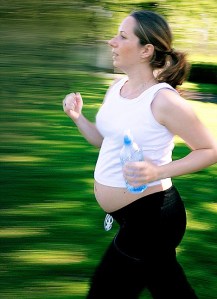 Exercise and pre-eclampsia risks
  Give the mom a relaxing foot soak or massage.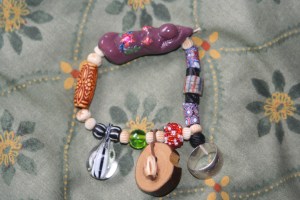
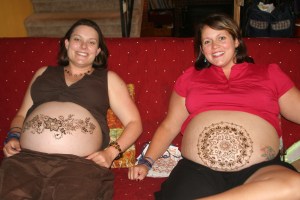 You can even send the fabric out with the invitations. If you have the party early enough, you can finish the blanket or pillow case by the time the mother starts labor to remind her of the women who stand behind her. A less time intensive option is to decorate a pillow case with positive birth phrases, encouragement, and quotes.
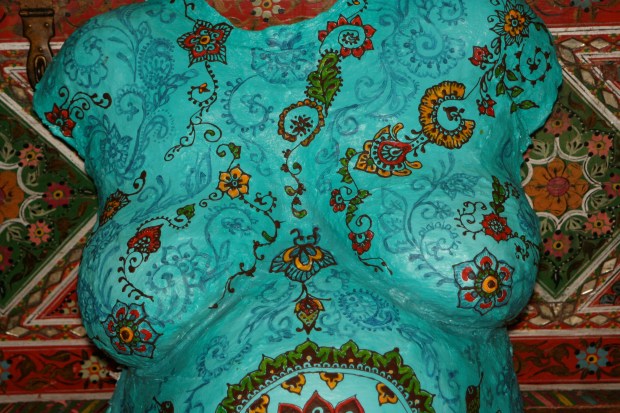
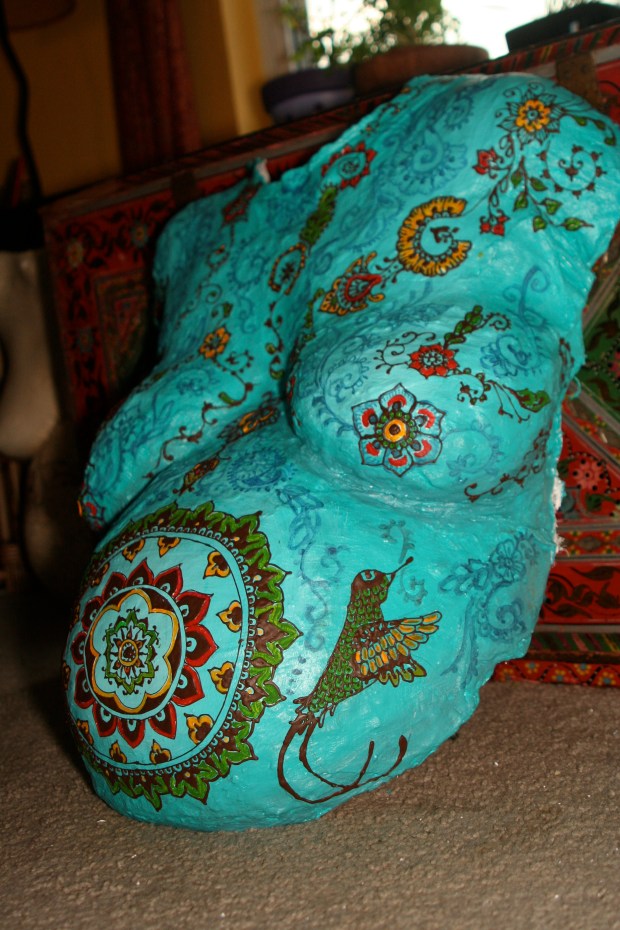
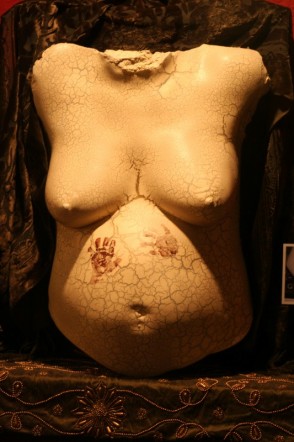 prints on the belly after the baby is born or paint them with an image that is meaningful to them. You can also have guests at the Mother Blessing decorate the belly themselves. Another option is to hire a professional lifecaster to do the cast for you. Unlike do-it-yourself kits where the finished product is the strips of plaster and gauze, lifecasting creates an exact replica of yourself by creating a cast and pouring medium into it (see right). It’s definitely the more beautiful option, but also more expensive (around $150-300). Some lifecasters in Denver are
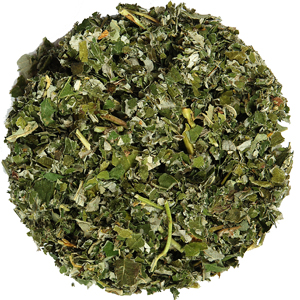
 Tea made from raspberry leaves is the best-known herbal aid in pregnancy. Rather than go into all the traditional lore about this herb, we present the following lengthy account, because it is both contemporaneous and highly specific.
 “Later I thought I would have had an easy time anyway since it was my second child. I was anxious for someone else to try it. A friend of mine was expecting a baby in a few weeks and she had been taking a cup of the tea daily and was also going to take the strong solution when she went into labor. She had had two previous pregnancies and both times nearly miscarried and had to take drugs and be in bed a good deal of the time. Both deliveries were extremely difficult. When she became pregnant this time she began spotting and it looked like she would have to go through the same kind of trouble she had before. Having used an herb I had given her for another problem, with success, she asked if there was an herb for this problem and I recommended raspberry leaf tea.
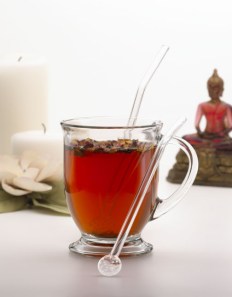 “I have told a number of women about this amazing herb through the years, but no one else seemed interested enough to try it. However, 1978 my daughter became pregnant and she was very much interested in having an easy delivery. She took the tea each day and had a normal pregnancy. She, too, took the strong solution of the tea with her to the hospital and also being a little wary drank only half of it. When the doctor examined her, it was late in the evening. He said the baby wouldn’t be born until six o’clock in the the morning so he went home. She was having hard contractions at this time and I was very disappointed and felt the tea hadn’t worked. An hour and a half later we recieved a call from our son-in-law saying we had a little grandson. The tea started working and the doctor had no sooner reached his home when he had to turn around and come right back to the hospital. My daughter said the next time she is going to drink all of the tea.”
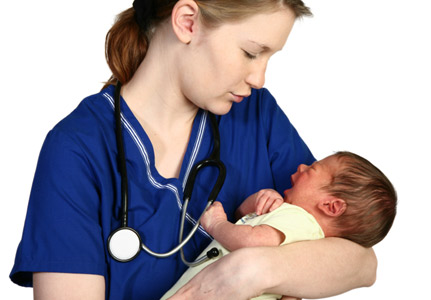 Most people see pregnancy as a time to prepare for the baby. I see early pregnancy as a time to figure out what you want before you even go to your first appointment. A lot of women don’t even think about the actual birth until a few months or weeks before the baby is born! It can be difficult to make a change that late in the game. You should choose the provider who has the same philosophy as you instead of hoping to change them by the end of the pregnancy.
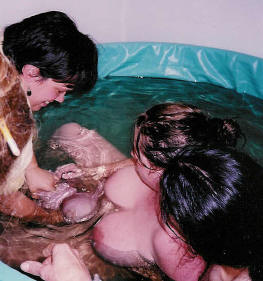 A midwife should have the same screening criteria as a doctor screening for risk factors. Depending on licensing status, some midwives must refer to a physician for cases of breech or twins or even VBAC. Other states have less restrictive or no guidelines. This must be discussed.
 Can I stay in the water to birth my baby?
 Mandala Doula - Gentle Birth Services